
This supervisory qualification in facilities management is for you if you are working in a facilities management role or looking for a career change.
Learners that have previously studied for this qualification have included those working in a first line management or supervisory role, including those with job titles: Facilities Administrator, Team Leader, Co-ordinator, Office Manager, Technician.
How does it work?
You choose your qualification, click the ‘buy now’ option to pay online.
We operate a cohort registration process, where all registrations are processed during the final working week of the month. To register you with the IWFM Awarding Organisation in the current month’s cohort, we will need to receive confirmation of payment by the 20th of the month. If payment is not received by the 20th, your registration will be deferred to the following month. Once your registration is processed, you will receive an email confirming your registration and instructions on how to access the Learning Management System (LMS) to begin your qualification.
How long will it take?
Typically the qualification takes between six to 18 months to complete, depending upon the speed at which you want to progress and depending on what size qualification you undertake.
From the date your access details are sent you have a two-year registration period in which to complete the qualification.
For a guideline on the amount of time you need to commit to this qualification please download the guidance document.
What skills and knowledge will I be able to demonstrate after completing the qualification?
You will:
- obtain factual, procedural and theoretical knowledge and understanding of a subject or field of work to complete tasks that while well-defined, may be complex and non-routine
- be able to interpret and evaluate relevant information and ideas
- be aware of the nature of the area of study or work
- be aware of different perspectives or approaches within the area of study or work
- identify, select and use appropriate cognitive and practical skills, methods and procedures to address problems that while well defined, may be complex and non-routine
- use appropriate investigation to inform actions
- be able to review how effective methods and actions have been
Units to choose from
| Units | Credits | Cert. | Dipl. |
|---|---|---|---|
FM3.01 Introduction to facilities management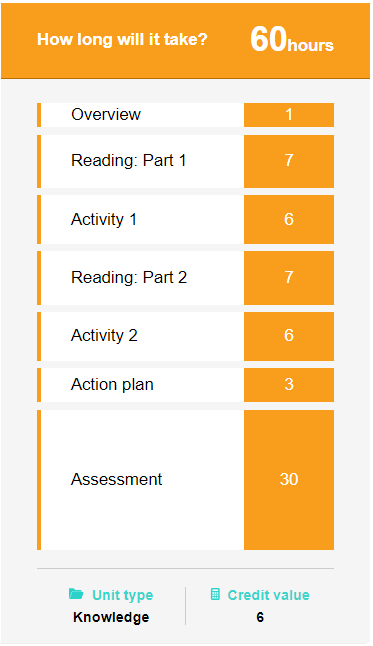 This unit addresses the definition of facilities management, its role within organisations, and how it can be set up in ways that will help the organisation to function more effectively. The unit addresses the potential impact of an organisation’s arrangements for facilities management on the organisation’s internal environment. This unit addresses the definition of facilities management, its role within organisations, and how it can be set up in ways that will help the organisation to function more effectively. The unit addresses the potential impact of an organisation’s arrangements for facilities management on the organisation’s internal environment. | 6 | M | M |
FM3.02 Corporate social responsibility and sustainability in facilities management | 4 | M | M |
FM3.03 Customer and stakeholder relations in facilities management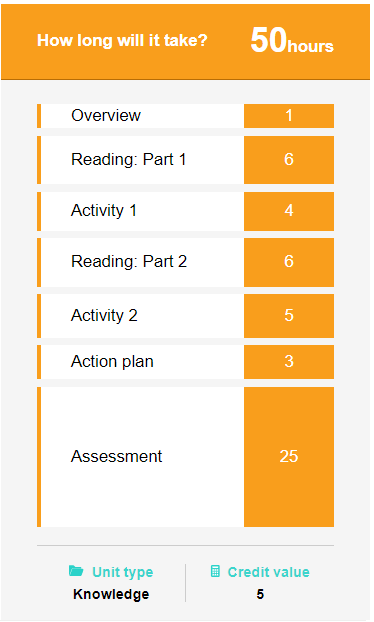 This unit addresses methods to ensure that customers and other stakeholders contribute to the maintenance, and evaluation of facilities supplies and services. It relates closely to the unit on specification and procurement of facilities supplies and services (FM3.04), which addresses the customers’ and suppliers’ roles specifying what supplies or services will be required. Both units are written to apply at an operational rather than at a strategic level. This unit addresses methods to ensure that customers and other stakeholders contribute to the maintenance, and evaluation of facilities supplies and services. It relates closely to the unit on specification and procurement of facilities supplies and services (FM3.04), which addresses the customers’ and suppliers’ roles specifying what supplies or services will be required. Both units are written to apply at an operational rather than at a strategic level. | 5 | M | M |
FM3.04 Specification and procurement of facilities supplies and services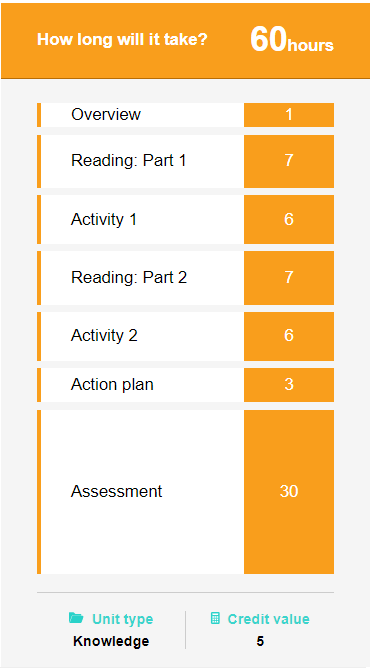 This unit addresses all of the stages of procurement, which necessarily include liaison with customers and other stakeholders. The unit relates closely to the unit on customer and stakeholder relations in facilities management (FM3.03), which addresses how to ensure that the customers and other stakeholders have a continuing role in maintenance and evaluation of the supply or service. Both units are written to apply at an operational rather than strategic level. This unit addresses all of the stages of procurement, which necessarily include liaison with customers and other stakeholders. The unit relates closely to the unit on customer and stakeholder relations in facilities management (FM3.03), which addresses how to ensure that the customers and other stakeholders have a continuing role in maintenance and evaluation of the supply or service. Both units are written to apply at an operational rather than strategic level. | 6 | M | M |
FM3.05 Health and safety responsibilities in facilities management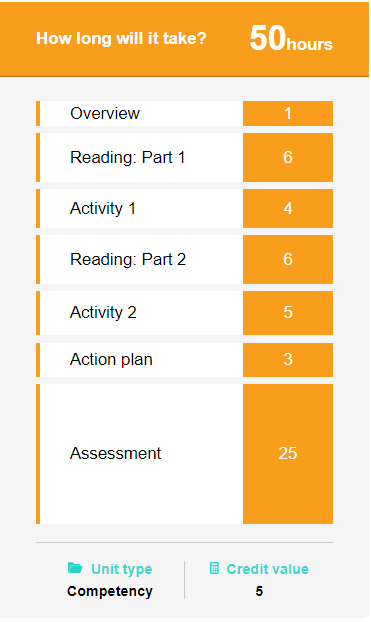 The unit addresses the lines of responsibility for health and safety in facilities management, and how those responsibilities can be discharged The unit addresses the lines of responsibility for health and safety in facilities management, and how those responsibilities can be discharged | 5 | O | M |
FMP413 Manage operational performance in facilities management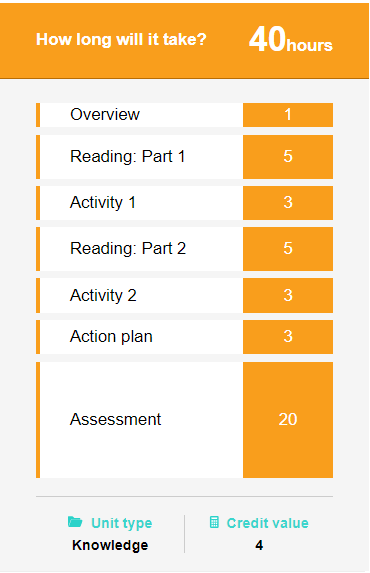 This unit enables you to understand, implement and evaluate the operational performance of a facilities management delivery model This unit enables you to understand, implement and evaluate the operational performance of a facilities management delivery model | 4 | O | O |
FM3.06 Project management within facilities management operations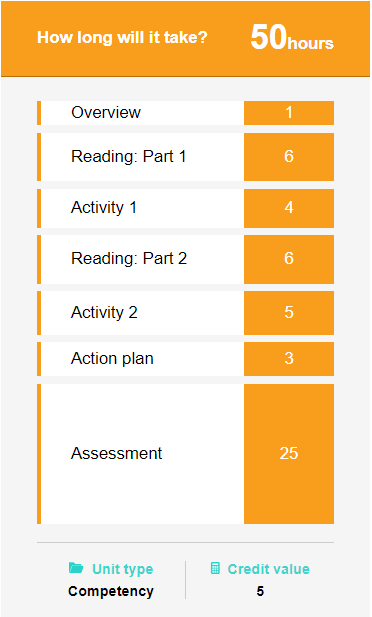 This unit addresses the project management of operational changes (such as churn) rather than the project management of strategic initiatives. In effect, it relates to the project management of small-scale projects of low complexity. This unit addresses the project management of operational changes (such as churn) rather than the project management of strategic initiatives. In effect, it relates to the project management of small-scale projects of low complexity. | 5 | O | O |
FM3.07 Budget management of facilities management operations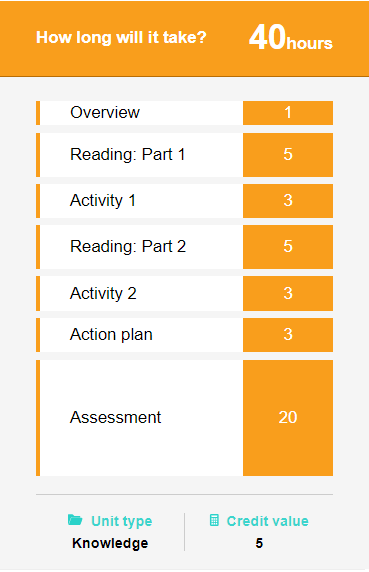 This unit addresses delegated responsibilities for the budget management of operational functions, rather than budget management for facilities management as a whole. This unit addresses delegated responsibilities for the budget management of operational functions, rather than budget management for facilities management as a whole. | 4 | O | O |
FM3.08 Understanding facilities management within the context of an organisation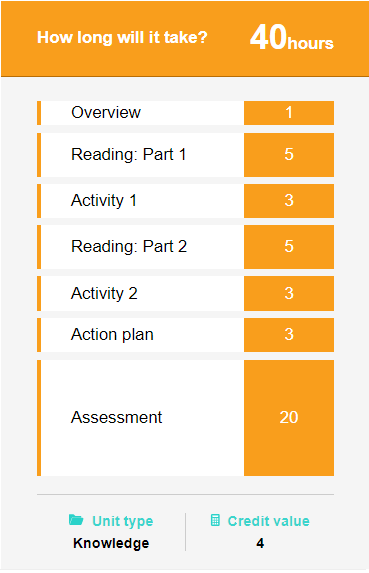 This unit enables the learners to develop knowledge and understanding of the different ways that business organisations are structured and how their functions, culture and processes affect facilities management. This unit enables the learners to develop knowledge and understanding of the different ways that business organisations are structured and how their functions, culture and processes affect facilities management. | 4 | O | O |
FM3.09 Understanding support services operations in an organisation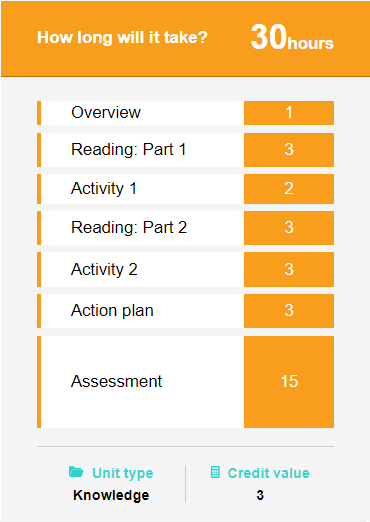 This unit enables learners to develop an understanding of facilities management support services operations and how to monitor the delivery of those services within safe systems of work and budgetary constraints. This unit enables learners to develop an understanding of facilities management support services operations and how to monitor the delivery of those services within safe systems of work and budgetary constraints. | 3 | O | O |
FM3.10 Space allocation in facilities management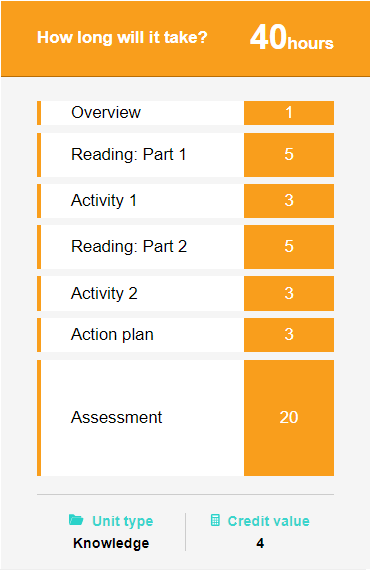 This unit addresses space management at an operational level, but also includes consideration of the more strategic issue of introducing alternative ways of working. This unit addresses space management at an operational level, but also includes consideration of the more strategic issue of introducing alternative ways of working. | 4 | O | O |
FM3.11 Building maintenance in facilities management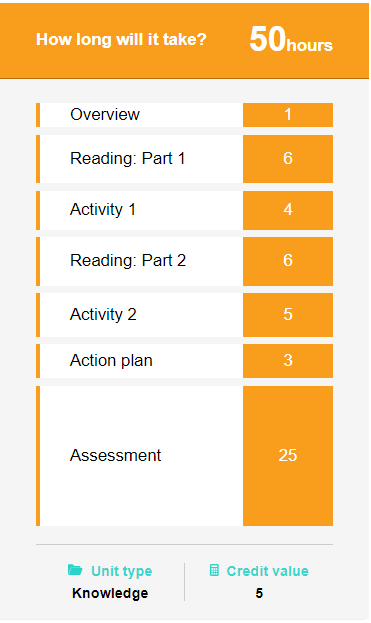 This unit addresses the contexts, strategies and accountabilities for building maintenance. It provides for an understanding of the facilities manager’s role rather than for the skills required to deliver the maintenance. This unit addresses the contexts, strategies and accountabilities for building maintenance. It provides for an understanding of the facilities manager’s role rather than for the skills required to deliver the maintenance. | 5 | O | O |
FM3.12 Understand the estate management function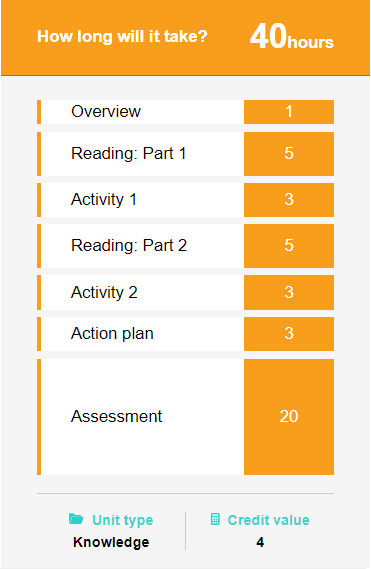 This unit provides an introduction to the estate management function. It is intended to provide context for the other facilities management functions, rather than to equip learners with the expertise required to take responsibility for estate management This unit provides an introduction to the estate management function. It is intended to provide context for the other facilities management functions, rather than to equip learners with the expertise required to take responsibility for estate management | 4 | O | O |
FM3.13 Contribute to disaster recovery and contingency planning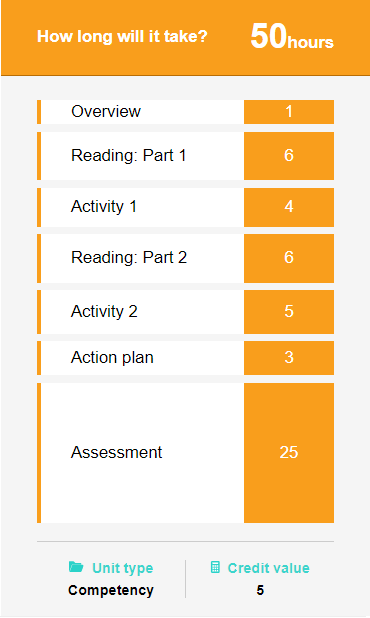 This unit addresses the disaster recovery and contingency planning aspects of facilities management. This unit addresses the disaster recovery and contingency planning aspects of facilities management. | 5 | O | O |
FM3.14 Understanding access management and inclusion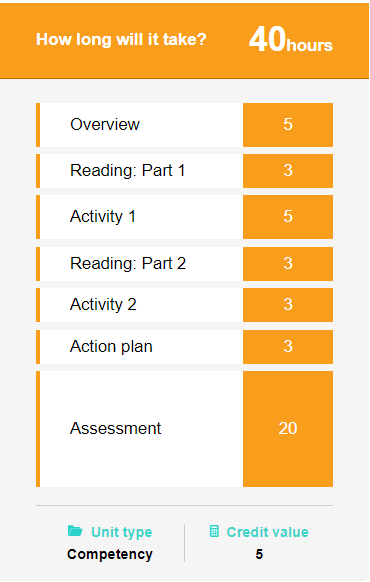 This unit addresses the access management and inclusion aspects of facilities management. This unit addresses the access management and inclusion aspects of facilities management. | 5 | O | O |
FM3.15 Leadership, management and personal development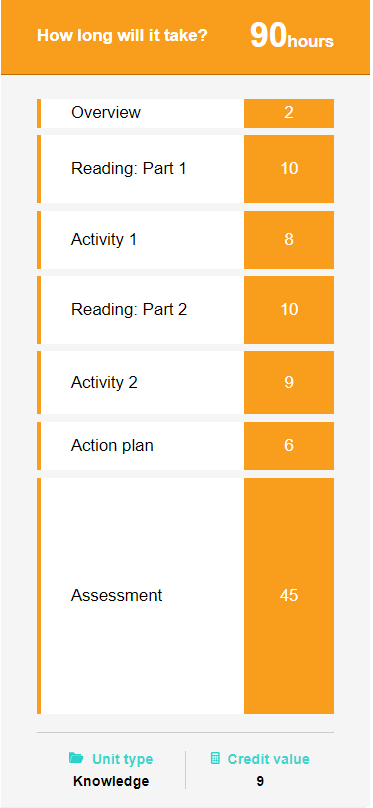 This unit enables learners to gain an understanding of how employee motivation is central to leadership and management style and group dynamics. It also covers HR, working with individuals and teams as well as personal development.. This unit enables learners to gain an understanding of how employee motivation is central to leadership and management style and group dynamics. It also covers HR, working with individuals and teams as well as personal development.. | 9 | O | O |
M = Mandatory
O = Optional
Select your qualification and get started
Select the size that’s right for you.
| Certificate | Diploma |
|---|---|
| Credit requirements: 28 minimum Four Mandatory Units (21 credits) Two Optional Units (7-10 credits) | Credit requirements: 48 minimum Five Mandatory Units (26 credits) Five Optional Units (22-26 credits) |
| The Certificate provides you with a more comprehensive coverage of the subject. | The Diploma provides the full package of skills, knowledge and understanding at this level. |
| Total qualification time: 280 hours (includes learning and assessment) | Total qualification time: 480 hours (includes learning and assessment) |
| £895+VAT Buy now | £1,100+VAT Buy now |
| $1,158 Buy now | $1,422 Buy now |
| €1,074 Buy now | €1,319 Buy now |